Interesting Facts About Tynemouth
From three kings buried on the headland and the town's three-crown coat of arms to a pier smashed by a single storm and an admiral who rivals Nelson for local pride, here are the stories that make Tynemouth so distinctive.
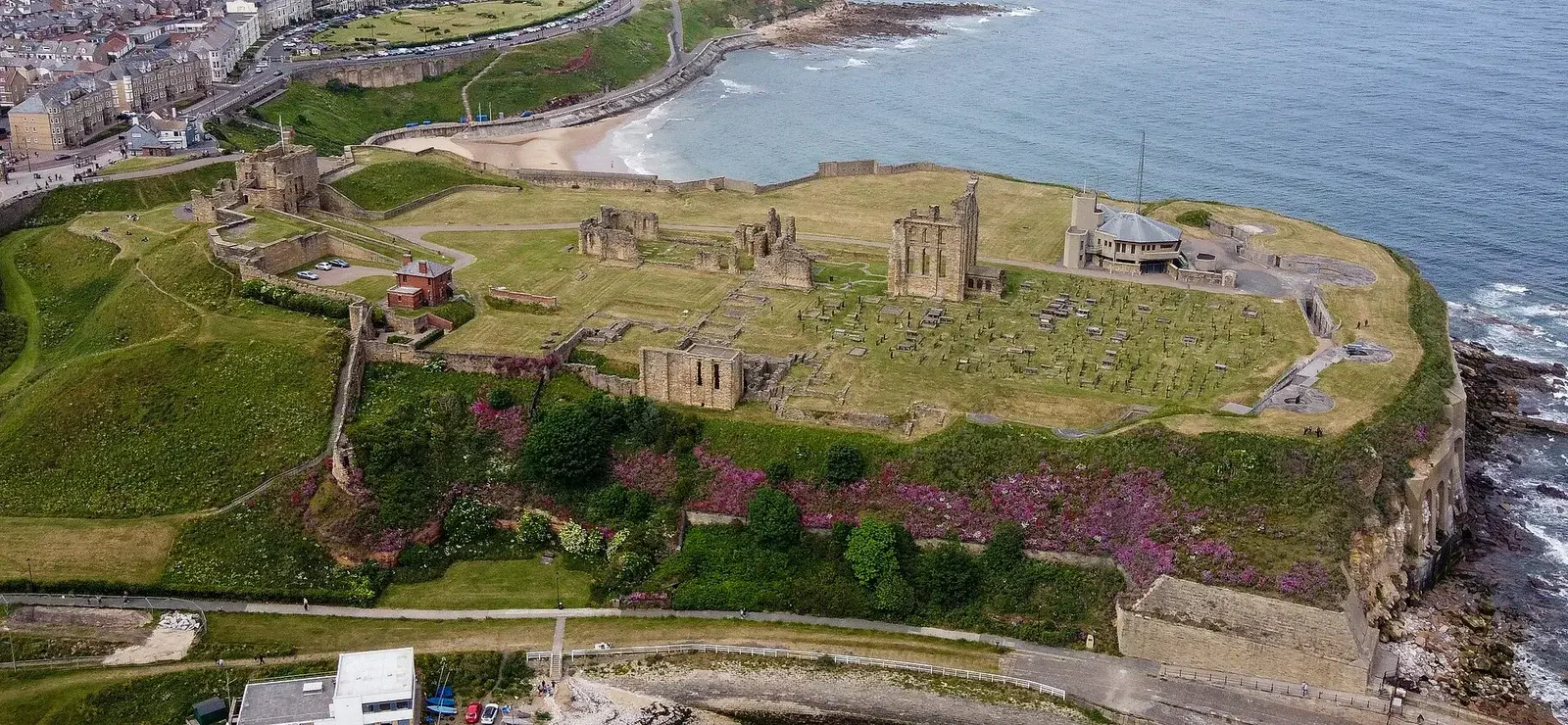
Tynemouth wears its history on its sleeve. Stand on the headland with the ruined priory behind you and the pier curling out into the North Sea ahead, and you are looking at more than a thousand years of Northumbrian story in a single view. For a village of a few thousand people it has an outsized past: royal burials, a Napoleonic admiral, a Victorian pleasure palace and one of the finest station roofs in the country. Here is a roundup of the facts that make Tynemouth worth boasting about.
Three kings are buried on the headland
The most striking fact about Tynemouth Priory and Castle is that three kings were laid to rest there. Oswin, King of Deira, was murdered in 651 and buried at Tynemouth, becoming St Oswin and turning the priory into a place of pilgrimage. Osred II, King of Northumbria, was buried in the church after his murder in 792. And Malcolm III of Scotland, killed at the Battle of Alnwick in 1093, was brought here before his body was later moved north. It is a remarkable roll call for one small clifftop.
Best for: Best for a genuine claim to national fame: a headland that served as the burial place of three kings.
The town's coat of arms carries three crowns
That royal tradition is not just a footnote. Tynemouth's coat of arms still bears three crowns, one for each of the kings said to be buried at the priory. Once you know the story, you spot the three crowns all over the town, a quiet piece of heraldry that ties the modern place directly back to its Anglo-Saxon origins.
The priory was raided by the Vikings, more than once
Tynemouth's position at the mouth of the Tyne made it a target. The Danes plundered the priory around 800, and the monks strengthened their defences well enough to see off a second raid in 832. Their luck ran out in 865, when the church and monastery were destroyed. The site has been fortified ever since, and the castle walls and gatehouse that survive today grew out of that long need to defend the headland.
An admiral who mattered as much as Nelson
The tall column on Pier Road is the Collingwood Monument, and locals will happily tell you the man it honours was the real hero of Trafalgar. Vice Admiral Lord Cuthbert Collingwood was Nelson's second in command in 1805, and it was Collingwood who took over the fleet after Nelson fell. The statue, by sculptor John Graham Lough on a base designed by the great Newcastle architect John Dobson, was completed in 1845. The four cannon flanking the steps came from his flagship, HMS Royal Sovereign.
Best for: Best for a Tyneside hero: the Trafalgar admiral who took command when Nelson died.
The pier was almost destroyed by a single storm
Building the North Pier was an epic in itself, taking from 1854 to 1895 and defeating a succession of engineers. Then, barely two years after completion, a huge storm in 1897 wrecked it and left the lighthouse cut off from the land. It had to be rebuilt to a new curved design by John Wolfe-Barry, the engineer behind Tower Bridge, and a new lighthouse first shone out in January 1908. The pier you walk today is that second attempt.
One of the oldest volunteer life brigades in the world
After a series of shipwrecks off the rocks below the priory, the Tynemouth Volunteer Life Brigade was formed in 1864, one of the very first of its kind anywhere. Its members trained to rescue crews from stricken ships using rocket lines and breeches buoys. The brigade still exists, and the Tynemouth Volunteer Life Brigade Watch House on the cliff is now a small free museum crammed with figureheads, medals and salvaged relics from Tyne shipwrecks.
A Victorian pleasure palace that became the Plaza
Below the Grand Parade once stood one of the most extraordinary buildings on the coast. Opened in 1878 as the Tynemouth Aquarium and Winter Garden, it was renamed Tynemouth Palace and, from 1926, the Tynemouth Plaza. Over the years it held aquariums, winter gardens, ballrooms, a theatre, a skating rink and amusement arcades. It was destroyed by a huge fire in February 1996 and demolished the same night, but its story is still fondly remembered. Today the modern Blue Reef Aquarium carries the seaside-attraction tradition forward nearby.
A station roof fit for a cathedral
Tynemouth's Victorian station, opened in 1882 and designed by William Bell, has an interior of cast-iron columns and glazed canopies so exuberant it has been called the St Pancras of the coast. More than a hundred slender pillars support nearly 200 metres of glass roof. Restored in 2012, it now shelters a busy weekend flea market and craft fair, making it one of the few grand railway buildings you can visit purely to go shopping.
Frequently asked questions
Why are there three crowns on Tynemouth's coat of arms? The three crowns commemorate the three kings traditionally said to be buried at Tynemouth Priory: Oswin of Deira, Osred II of Northumbria and Malcolm III of Scotland. The tradition dates back to the priory's role as a royal burial place and place of pilgrimage.
Who is the Collingwood Monument dedicated to? It honours Vice Admiral Lord Cuthbert Collingwood, a Tyneside-born naval commander who was Nelson's second in command at the Battle of Trafalgar in 1805 and took over the fleet after Nelson was killed. The monument, completed in 1845, overlooks the mouth of the Tyne he knew as a boy.
What happened to Tynemouth Plaza? The building, which opened in 1878 as an aquarium and winter garden and later became a ballroom, theatre and amusement complex, was destroyed by a major fire in February 1996 and demolished the same evening. The Grand Parade site where it stood is now open ground.
Have a suggestion? Get in touch.
Never miss what’s on
Join the weekly Tynemouth.live digest — the best events, news and local tips, straight to your inbox. Free, one email a week.