Wildlife at the Mouth of the Tyne: Seals, Dolphins & What to Watch For
Grey seals on the rocks, bottlenose dolphins off King Edward's Bay, and kittiwakes nesting on the cliffs, a seasonal guide to the wildlife you can spot at Tynemouth.
Tynemouth sits at the point where the River Tyne meets the North Sea, a meeting of habitats that makes the headland and its surrounding waters one of the best spots for wildlife watching on the North East coast. You do not need binoculars or a boat trip. Seals, dolphins, porpoises, and hundreds of nesting seabirds can all be seen from the shore, often from the same clifftop path you would walk on any afternoon stroll.
Here is what to look for, and when.
Grey Seals
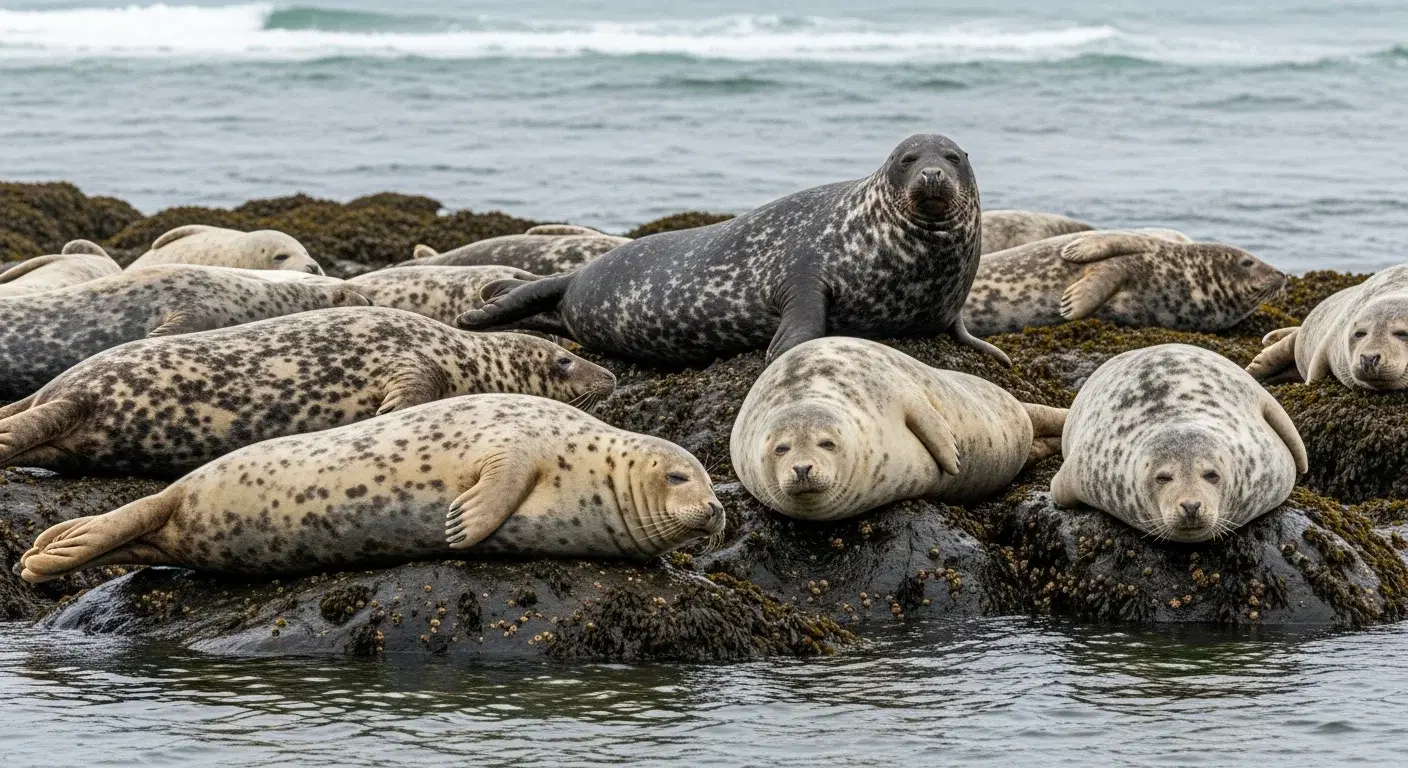
Grey seals are the most reliable wildlife sighting at Tynemouth. Large individuals, often bull males, are regularly spotted hauled out on the rocks at the mouth of the river, particularly around the base of the North Pier and on the rocky platforms below the Priory headland.
You can see seals year-round, but they are most visible at low tide, when the rocks are exposed and the animals come ashore to rest. The best vantage points are:
- Tynemouth North Pier, look for seals on the rocks on either side as you walk out towards the lighthouse
- The headland near the Priory, scan the rocks below the cliffs, especially on the river-facing (southern) side
- Priors Haven, the small harbour below the castle sometimes attracts seals into the sheltered water
Grey seals are large animals, bulls can reach over two metres in length, and are surprisingly unfazed by human presence at a distance. Keep a respectful distance and never approach seals on rocks, as they can move fast when startled.
Best for: Grey seals are present year-round, but low tide on a calm day gives the best chance of spotting them basking on the rocks.
Bottlenose Dolphins and Harbour Porpoises
The waters off Tynemouth are visited by both bottlenose dolphins and harbour porpoises, and sightings have become increasingly frequent in recent years.
In 2021, ITV Tyne Tees broadcast remarkable footage of pods of bottlenose dolphins swimming off King Edward's Bay and at the mouth of the Tyne, with up to 40 animals filmed leaping and bow-riding alongside ships. The footage, captured by ITV cameraman Paul Kingston, showed dolphins in the bay, at the river mouth, and further south at Marsden Bay.
Harbour porpoises are smaller and shyer than dolphins, but they are actually the more common cetacean in the North Sea. They surface briefly and quietly, look for a small, dark triangular fin breaking the water without the acrobatic leaping of dolphins. They are most often seen from the Pier or the headland on calm days.
When to look: Dolphins and porpoises can appear at any time of year, but sightings are most frequent between May and October, when calmer seas and longer daylight hours make them easier to spot. Early morning and late afternoon seem to produce the best results, scan the water patiently rather than expecting an immediate show.
Seabirds
The cliffs and rocky ledges around Tynemouth headland support a thriving seabird colony, with several species nesting in large numbers.
Kittiwakes
Tynemouth Haven, the sheltered cove between the Priory and the North Pier, is home to the second largest colony of Tyne kittiwakes. The colony has grown significantly in recent years, with up to 387 nesting pairs recorded. Kittiwakes arrive in spring, nest on the sandstone cliff ledges, and raise their chicks through the summer before departing in autumn. Their distinctive "kitti-wake" call is one of the defining sounds of the Tynemouth headland from April to August.
Fulmars
Fulmars nest on the cliff faces around the headland and can be seen gliding on stiff wings along the clifftop, often at eye level if you are walking the coast path. They arrive at nesting sites as early as January and remain through the summer.
Cormorants
Cormorants are present year-round, often seen perched on rocks and pier structures with their wings spread to dry. They are large, dark birds, easy to identify from a distance.
Other Species
The coastline also attracts eiders (the large, handsome sea ducks that breed on the North East coast), oystercatchers, turnstones, and various gulls. In winter, the river mouth can produce sightings of purple sandpipers and other wading birds on the rocky foreshore.
Best for: Spring and summer are peak seabird season, visit between April and July for the full spectacle of nesting kittiwakes and fulmars on the cliffs.
Best Spots for Wildlife Watching
You do not need to go far to see wildlife at Tynemouth. The best locations are all within a short walk of the village centre:
- Tynemouth North Pier, seals, cormorants, passing dolphins and porpoises
- The Priory headland, kittiwakes, fulmars, seals on the rocks below
- King Edward's Bay, dolphins have been filmed here; also good for rock pool life
- The coast path towards Cullercoats, fulmars gliding at eye level, eiders on the water
- Priors Haven, sheltered water that sometimes attracts seals and wading birds
For a longer outing, the North Tyneside coastal walk from St Mary's Island to the Fish Quay passes through several excellent wildlife-watching spots, including the seal colony viewpoint near Whitley Bay.
A Seasonal Summary
| Season | What to see |
|---|---|
| Spring (Mar-May) | Kittiwakes and fulmars return to nesting cliffs; seals on rocks; first dolphin sightings |
| Summer (Jun-Aug) | Peak seabird nesting; best chance of dolphins and porpoises; seal pups occasionally seen |
| Autumn (Sep-Nov) | Seabirds depart; migrant waders pass through; seals still present |
| Winter (Dec-Feb) | Fulmars return to cliff ledges; purple sandpipers on rocky foreshore; grey seals year-round |
For more on enjoying the Tynemouth coast, see our guides to sea swimming and the best walks from Tynemouth. Get in touch.
Never miss what’s on
Join the weekly Tynemouth.live digest — the best events, news and local tips, straight to your inbox. Free, one email a week.