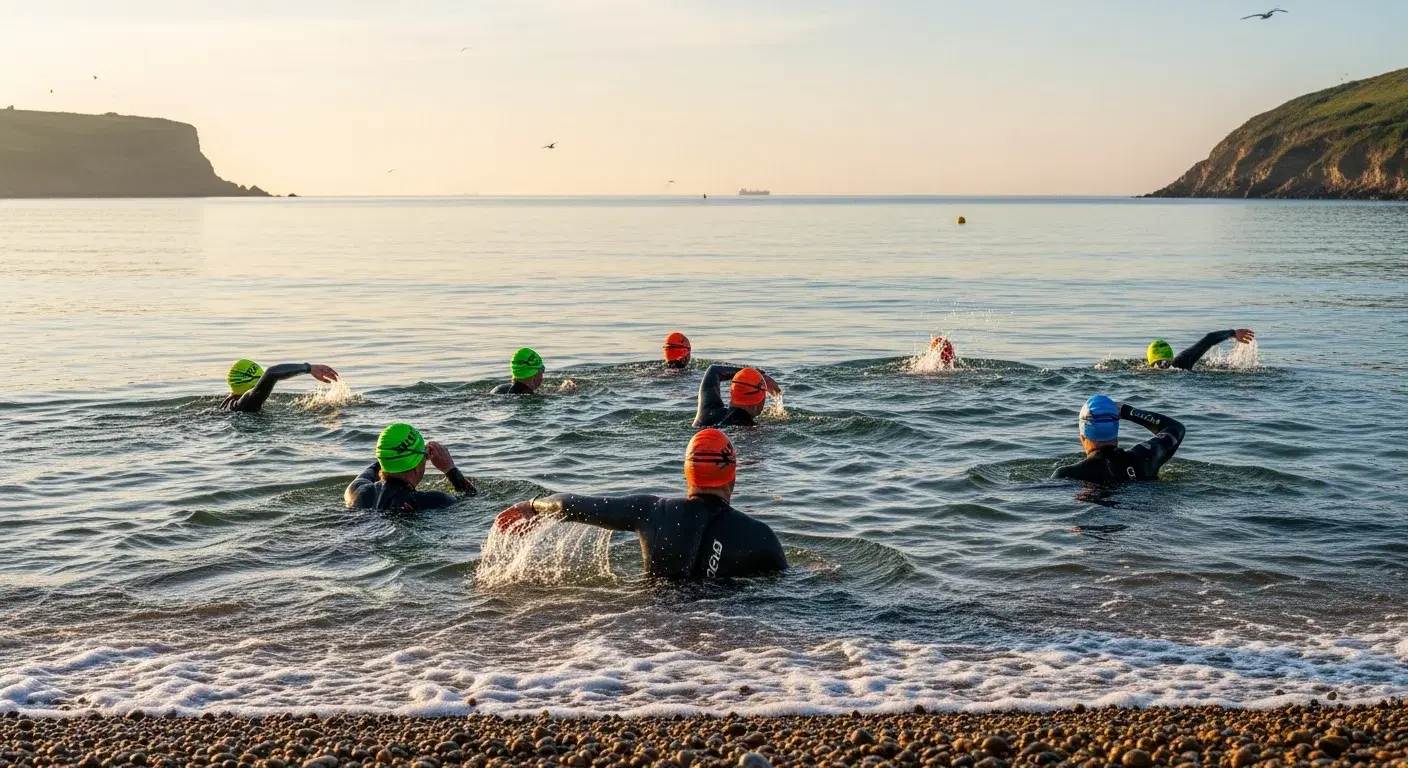
Sea Swimming in Tynemouth
A guide to sea swimming in Tynemouth, where to swim, water temperatures, safety advice, wetsuit guidance, and the local groups keeping the wild swimming community thriving.
Sea swimming in Tynemouth has exploded in popularity in recent years. What was once the preserve of a hardy few has become a genuine community movement, with hundreds of people regularly dipping into the North Sea from the beaches and coves along the coast.
Whether you are a seasoned open-water swimmer or thinking about your first cold plunge, here is everything you need to know about sea swimming in Tynemouth.
Best for: Never swim alone in the sea. Join a group, tell someone where you are going, and always check conditions before entering the water.
Where to Swim
King Edward's Bay, the sheltered cove below the Priory is the most popular spot for sea swimmers in Tynemouth. The cliffs provide wind protection, the water is often calmer than the open beach, and RNLI lifeguards are present during summer months. Several swimming groups use this as their regular meeting point.
Longsands Beach, the main beach works well for swimming, though it is more exposed and can have stronger currents than King Edward's Bay. Stick to the lifeguarded zones during summer. The southern end near the Priory headland tends to be slightly more sheltered.
Cullercoats Bay, a short walk north of Tynemouth, Cullercoats is a small horseshoe-shaped bay with calm, sheltered water that is excellent for swimming. The harbour walls reduce swell and the sandy bottom makes it a comfortable entry point for beginners.
Water Temperature
The North Sea is cold. There is no way around it. Typical water temperatures through the year are:
- January to March: 5-7 degrees Celsius (the coldest months)
- April to June: 8-12 degrees Celsius (warming gradually)
- July to September: 13-16 degrees Celsius (the warmest, peaking in late August)
- October to December: 8-12 degrees Celsius (cooling again)
Most regular sea swimmers in the area wear wetsuits for the majority of the year. Some hardy souls swim without (known as "skins" swimming), but this requires significant cold-water acclimatisation and should not be attempted without experience.
Wetsuits and Kit
For regular sea swimming in the North East, a wetsuit is strongly recommended from October through to June at minimum. A 4/3mm wetsuit suits most of the year, with some swimmers upgrading to a 5/4mm in the depths of winter.
Other useful kit includes:
- Neoprene gloves and booties, essential in winter when extremities go numb quickly
- Swim cap, a brightly coloured silicone or neoprene cap aids visibility and reduces heat loss
- Tow float, an inflatable float attached to your waist that makes you visible to boats and other water users
- Dry robe or changing towel, for warming up quickly after your swim
- Warm clothes and a hot drink, the afterdrop (continued cooling after exiting the water) is real; layer up immediately
Swimming Groups
One of the best ways to start sea swimming is with a local group. Tynemouth and the surrounding coast has a thriving community:
Tynemouth Outdoor Swimmers, Meets on the North Tyneside coast with regular swims on Saturday mornings at 8am and Sundays at around 8am. The group typically meets on the ramp opposite the Grand Hotel. Check their Facebook group for updates and meeting points.
Panama Swimming Club, One of the few dedicated sea swimming clubs in the north, based on the promenade at Whitley Bay. Club swims take place on Tuesdays, Fridays, and Sundays at 11am. The club has changing rooms and a small clubhouse where members can make a hot drink after their swim. Founded in the early 1900s, it is named after a ship wrecked nearby.
Feel Good Swim Club, Meets at King Edward's Bay, usually on the first Sunday of every month. A welcoming group for swimmers of all abilities.
Cullercoats Outdoor Water Swimmers (COWS), Based at Cullercoats Beach, with ad hoc swim times posted on their Facebook group.
North Sea Mermaids, Operating mainly between Tynemouth and Hartlepool, offering mentoring, buddy-ups, and group swims on request.
Safety
Sea swimming carries inherent risks. Keep the following in mind:
- Never swim alone. Always swim with a buddy or a group, particularly in cold water.
- Check conditions. Look at tide times, wind direction, swell height, and any warnings before entering. The RNLI and Surfers Against Sewage apps are useful resources.
- Know your limits. Cold water affects your body quickly. Start with short swims and build up gradually over weeks and months.
- Enter slowly. Cold water shock is dangerous. Wade in gradually, control your breathing, and give your body time to adjust.
- Watch for rip currents. If caught in a rip, do not fight it, swim parallel to the shore until free of the current, then head back to the beach.
- Tell someone. Let a friend or family member know where you are swimming and when you expect to be back.
The Tynemouth Outdoor Pool
It is worth noting the long-running campaign to restore Tynemouth's historic outdoor pool, a tidal lido carved from the rocks in the 1920s that closed in the mid-1990s. While the restoration project faces significant challenges, the Friends of Tynemouth Outdoor Pool continue to campaign for its reopening. If successful, it would add a unique sea-swimming facility to the coast.
Want to share your swimming spot or group? Get in touch.
Never miss what’s on
Join the weekly Tynemouth.live digest — the best events, news and local tips, straight to your inbox. Free, one email a week.