Historic Trades and Crafts of Tynemouth and North Shields
Fishing, shipbuilding, salt panning, brewing, and the coal trade -- the industries that built Tynemouth and North Shields at the mouth of the Tyne.
The mouth of the Tyne has been a working waterfront for nearly a thousand years. North Shields was founded as a fishing port by the monks of Tynemouth Priory in the 13th century, and from that beginning the area became a centre for fishing, shipbuilding, coal export, salt making, and maritime trade. The Fish Quay still operates today, but most of the other industries have left only their names and buildings behind.
Fishing
Fishing was the founding trade of North Shields. In 1225, the Prior of Tynemouth, Germanus, established a fishing port below the Priory headland to supply fish to the monastery. That decision created the settlement of North Shields.
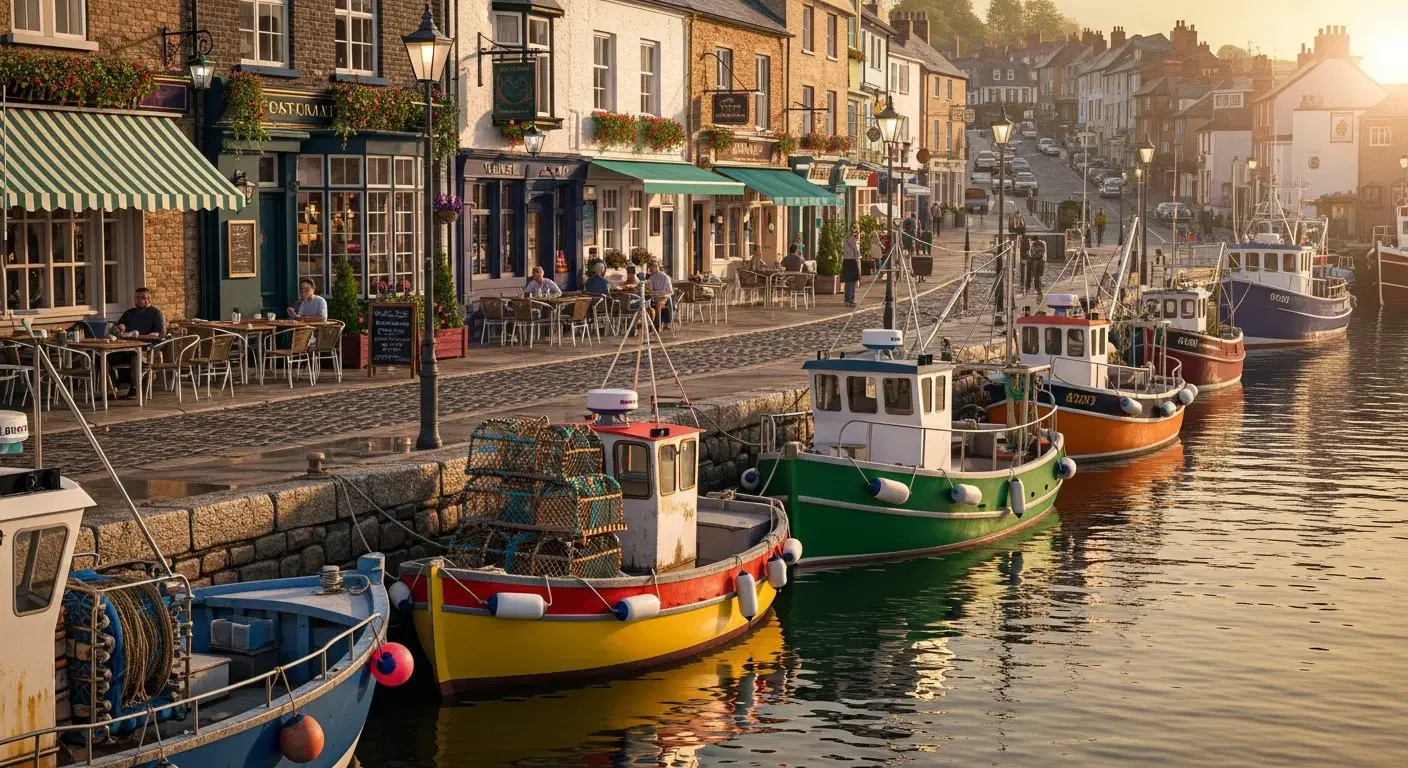
By the early 20th century, up to 200 fishing boats were landing their catches at the Fish Quay -- over 12,000 tons of fish annually during the herring boom years. The herring fishery was seasonal, bringing fleets of boats from Scotland and East Anglia each summer and creating a temporary population of gutters, packers, and coopers who processed the catch on the quayside.
The Fish Quay remains a working quayside today, though on a much reduced scale. The buildings around it -- the Low Light, the High Light, the former ice houses and curing sheds -- preserve the physical fabric of the fishing industry.
Best for: North Shields was founded in 1225 as a fishing port for Tynemouth Priory -- fishing has been practised here for 800 years.
Salt Panning
Making salt by boiling seawater in large iron pans was one of the oldest industries on the Tyne. The Pow Pans saltworks, dating to around AD 800, is one of the oldest known industrial sites in the United Kingdom.
Salt production required large quantities of fuel, and the availability of cheap coal from nearby mines made the Tyne coast an ideal location. By the 18th century, North Shields and South Shields together had around 200 salt pans, producing salt for the preservation of meat and fish. The pans were notorious for their thick, acrid smoke, which hung over the coastal settlements.
The salt industry declined through the 19th century as rock salt from Cheshire became cheaper and more readily available, but the place name Salt Meadows survives in the area as a reminder.
Shipbuilding
Shipbuilding has been part of the Tynemouth area since the earliest days of the fishing port. Smaller yards built the Northumbrian coble -- the distinctive flat-bottomed inshore fishing boat with a lug sail that is still used on the North East coast today.
Larger yards built wooden sailing collier brigs, the cargo ships that carried Tyne coal to London. The most significant shipbuilder in the area was Smith's Dock, which operated in North Shields from 1899 to 1987 and built over 280 ships, including vessels for the Royal Navy in both World Wars.
Smith's Dock also pioneered the development of ship repair and conversion, and at its peak employed thousands of workers. The closure of the yard in 1987 marked the end of shipbuilding on the north bank of the lower Tyne. The site has since been redeveloped for housing.
Best for: Smith's Dock in North Shields built over 280 ships between 1899 and 1987, including warships for the Royal Navy in both World Wars.
The Coal Trade
The coal trade was the engine of the Tyne's economy for centuries, and Tynemouth and North Shields were at the river's mouth where coal met the sea. Coal was brought downriver on keels -- flat-bottomed boats crewed by keelmen -- and loaded onto sea-going colliers for the voyage to London.
The keelmen were a distinctive community with their own culture, dialect, and traditions. The loading process employed thousands of men and required a network of supporting trades: rope makers, sail makers, coopers (for the coal measures), and chandlers (ship's suppliers). A chauldron of coal fetched nineteen shillings in London -- a handsome return that funded the growth of the entire Tyne valley.
Brewing and Baking
The principal trades of North Shields beyond the waterfront were brewing and baking. The town's population of sailors, fishermen, and dockworkers created a reliable demand for bread and beer, and both trades were well established from an early date.
Several of the older pubs in Tynemouth and North Shields were originally brewery-owned, with beer brewed on or near the premises. The brewing trade in the North East was gradually consolidated into larger companies during the 19th and 20th centuries.
Tanning
There was a tannery at Preston, on the edge of North Shields, processing animal hides into leather using the traditional method of soaking them in pits of tanning liquor made from oak bark. Tanning required a reliable water supply and was typically located away from residential areas because of the smell.
Evidence That Remains
- The Fish Quay: Still a working quayside, surrounded by the listed buildings of the former fishing industry -- the Low Light, the High Light, and the old curing sheds.
- The Priory: Tynemouth Priory is the reason North Shields exists -- it was the monks' need for fish that founded the fishing port.
- The Watch House: The Watch House Museum preserves the story of the lifesaving service that the dangers of the river mouth made necessary.
- Street names: Salt Meadows recalls the salt pans. Low Street and Liddell Street mark the old waterfront. Smiths Dock Road marks the former shipyard.
- The coble: The Northumbrian coble, the flat-bottomed fishing boat first built in North Shields yards, is still used by inshore fishermen on the coast today.
Frequently Asked Questions
What industries was Tynemouth known for?
Tynemouth and North Shields were built on fishing, shipbuilding, the coal trade, salt panning, brewing, and baking. The Fish Quay has been in use for 800 years and remains a working quayside today.
Was there shipbuilding in North Shields?
Yes. Smith's Dock operated in North Shields from 1899 to 1987 and built over 280 ships. Earlier, smaller yards built the Northumbrian coble and wooden sailing colliers for the coal trade.
What are the Pow Pans?
The Pow Pans saltworks, dating to around AD 800, is one of the oldest known industrial sites in the United Kingdom. Salt was produced by boiling seawater in iron pans heated by local coal.
Never miss what’s on
Join the weekly Tynemouth.live digest — the best events, news and local tips, straight to your inbox. Free, one email a week.
What's On
Tynemouth Station Market
9:00am - 3:30pm · Tynemouth Metro Station, Station Terrace, Tynemouth, NE30 4RE
Halloween Maze and Pumpkin Trail
9:30 AM · Tynemouth Park, Grand Parade, Tynemouth, NE30 4JL
Make a Mythical Monster Shield at Segedunum Roman Fort
11:00 AM - 3:00 PM · Segedunum Roman Fort, Buddle Street, Wallsend, NE28 6HR