Moving to Tynemouth: The Complete Guide
Everything you need to know about living in Tynemouth, from property prices and parking to beaches, schools, and what makes this coastal village one of the best places to live in the UK.
Tynemouth was named one of the best places to live in the UK in 2025 by the Sunday Times, and anyone who's walked along Longsands on a clear morning will understand why. This small coastal village on the mouth of the Tyne has a rare combination: stunning beaches, a thriving food scene, excellent transport links, and a tight-knit community feel.
But it comes at a price, literally. Here's an honest guide to what living in Tynemouth is actually like.
Where Is Tynemouth?
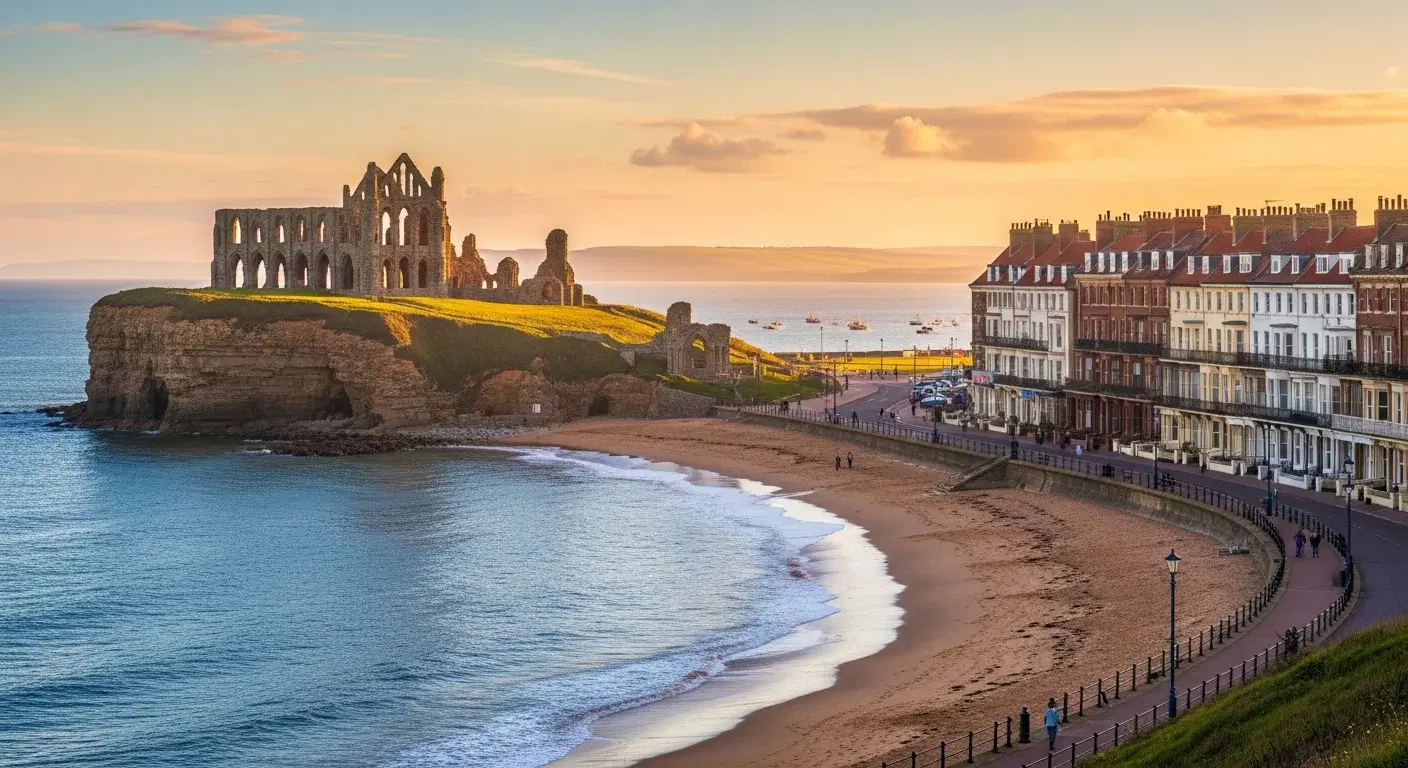
Tynemouth sits on the coast of North Tyneside, about 8 miles east of Newcastle city centre. It occupies a dramatic headland at the mouth of the River Tyne, with the ruins of Tynemouth Priory and Castle standing guard on the clifftop.
Despite its village feel, Tynemouth is well-connected. The Tyne and Wear Metro runs to Newcastle city centre in about 25 minutes, with trains every 10–12 minutes during the day. You don't need a car for commuting, though you might want one for exploring the wider Northumberland coast.
Neighbouring areas include Cullercoats (a 15-minute walk north along the coast), Whitley Bay (a little further), and North Shields (inland, home to the Fish Quay).
Best for: 8 miles east of Newcastle. Metro to the city centre in ~25 minutes. Named one of the UK's best places to live in 2025.
Property Market
Tynemouth commands a significant coastal premium. The average property price over the past year is approximately £395,000, nearly double the North Tyneside average of £203,000.
By property type:
- Semi-detached: ~£536,000
- Terraced: ~£406,000
- Flats: ~£246,000
These are Newcastle suburb prices for what is effectively a small seaside village. The premium reflects the beach access, cafe culture, Metro connectivity, and the quality of Kings Priory School. Prices dipped slightly from a 2022 peak but remain well above the regional average.
Most buyers are professionals and families, many commuting to Newcastle or working remotely. The rental market is tight, particularly for family homes.
Getting Around
Metro
Tynemouth Metro station is on the coastal branch of the Tyne and Wear Metro. Trains run to Newcastle city centre (Monument, Central Station) in approximately 25 minutes, with services every 10–12 minutes on weekdays. The Metro also connects to the coast in both directions, Cullercoats, Whitley Bay, and North Shields are all on the same line.
A monthly Metro pass is around £55–60, making it a practical daily commute.
Parking, Read This Carefully
Parking is the issue in Tynemouth, especially in summer and at weekends. The three main car parks are small:
- Priors Haven, 81 spaces, free, 2-hour maximum (8am–6pm)
- Sea View (Oxford Street), 58 spaces, £1.20–£3 for up to 3 hours
- Spanish Battery (Pier Road), 51 spaces, £1.20–£3, free after 6pm
Most surrounding streets are residents' permit zones or limited to 2-hour pay-and-display. On a sunny summer weekend, parking can be genuinely miserable, residents report circling for 30+ minutes. The Metro is your friend.
Car
The A19 and A1058 Coast Road both provide reasonable access to Newcastle and the wider region. The journey to Newcastle city centre takes 20–30 minutes by car depending on traffic.
Schools
Tynemouth's school landscape is dominated by one institution: Kings Priory School.
Kings Priory is an all-through academy covering ages 4–18, formed in 2013 from the merger of The King's School Tynemouth (an independent school) and Priory School (a primary). It has approximately 1,530 pupils, operates across multiple sites in Tynemouth, and is rated Good by Ofsted.
The school is part of the Woodard Academies family (a Christian foundation), though it is non-selective and serves the local community. GCSE results are strong, 75% of pupils achieve grade 5 or above in English and Maths.
For families, Kings Priory is a major draw. Having a single all-through school means children can stay in one institution from Reception to Sixth Form, no transition anxiety at 11 or 13.
Other schools in the wider area include Marden High School and Whitley Bay High School, plus several primary schools across North Tyneside.
Best for: Kings Priory School: all-through academy (ages 4–18), Ofsted Good, ~1,530 pupils. A single school from Reception to Sixth Form.
The Beaches
This is why most people want to live here.
Longsands
A mile-plus sweep of golden sand running from the Priory headland north towards Cullercoats. Longsands is the surfing epicentre of the North East, two surf schools (Longsands Surf School and Tynemouth Surf Co) operate from the promenade, offering lessons, board hire, and a Saturday/Sunday surf club for children aged 6–18.
Even if you don't surf, the beach is glorious for swimming, walking, and sitting. Lifeguards patrol during summer. Crusoe's cafe sits at the bottom of the ramp.
King Edward's Bay
A smaller, more sheltered cove tucked below the Priory headland. Less known than Longsands, much loved by those who know it. Access is via steep steps from the headland or along the beach at low tide.
Food and Drink
Tynemouth's food scene punches well above its size. Front Street is the main strip, with a cluster of independent restaurants and cafes. Highlights include:
- Dil & the Bear, widely regarded as Tynemouth's best brunch spot
- The Gibraltar Rock, carvery and bar with views towards the Priory
- Ora, Spanish tapas
- Allards, relaxed bar-cafe with tapas, flatbreads, and pizzas
The adjacent North Shields Fish Quay is a 15-minute walk and home to some of the region's best seafood restaurants.
Shopping
Front Street has a mix of independent boutiques, galleries, and gift shops.
The real headline is the Tynemouth Station Market, a weekend market with 150+ stalls housed inside the beautiful Victorian glazed train station. It runs every Saturday and Sunday, 9am–4pm, and draws visitors from across the region. Antiques, crafts, food stalls, vintage clothing, and independent traders.
Things to Do
- Tynemouth Priory and Castle, English Heritage site with origins in the 7th century. Dramatic clifftop ruins with panoramic sea views.
- Blue Reef Aquarium, 40+ marine displays including seals and sharks. A good family half-day.
- The Coastal Walk, a spectacular path running from St Mary's Lighthouse (Whitley Bay) through Cullercoats and Tynemouth to the Fish Quay. Flat, paved, pushchair-friendly.
- Mouth of the Tyne Festival, annual July festival at the Priory with headline music acts, street arts, and a parade
- Tynemouth Food Festival, September, Priory backdrop
Is Tynemouth Right for You?
Tynemouth works particularly well for:
- Families, Kings Priory School, safe village feel, beach on the doorstep
- Commuters, Metro to Newcastle in 25 minutes
- Beach lovers, surfing, swimming, coastal walks year-round
- Foodies, independent restaurants, weekend market, Fish Quay nearby
It's less ideal if you need cheap housing (the coastal premium is real), easy parking (it's not), or big-city nightlife (Newcastle is a Metro ride away). But for most residents, the trade-off is one they'd make again in a heartbeat.
Thinking about moving to Tynemouth? Get in touch. We're happy to help with questions about the area.
Never miss what’s on
Join the weekly Tynemouth.live digest — the best events, news and local tips, straight to your inbox. Free, one email a week.