Longsands Beach: Everything You Need to Know
The complete guide to Tynemouth Longsands, facilities, lifeguards, surfing, parking, dog rules, and everything else you need for a day at one of England's best beaches.
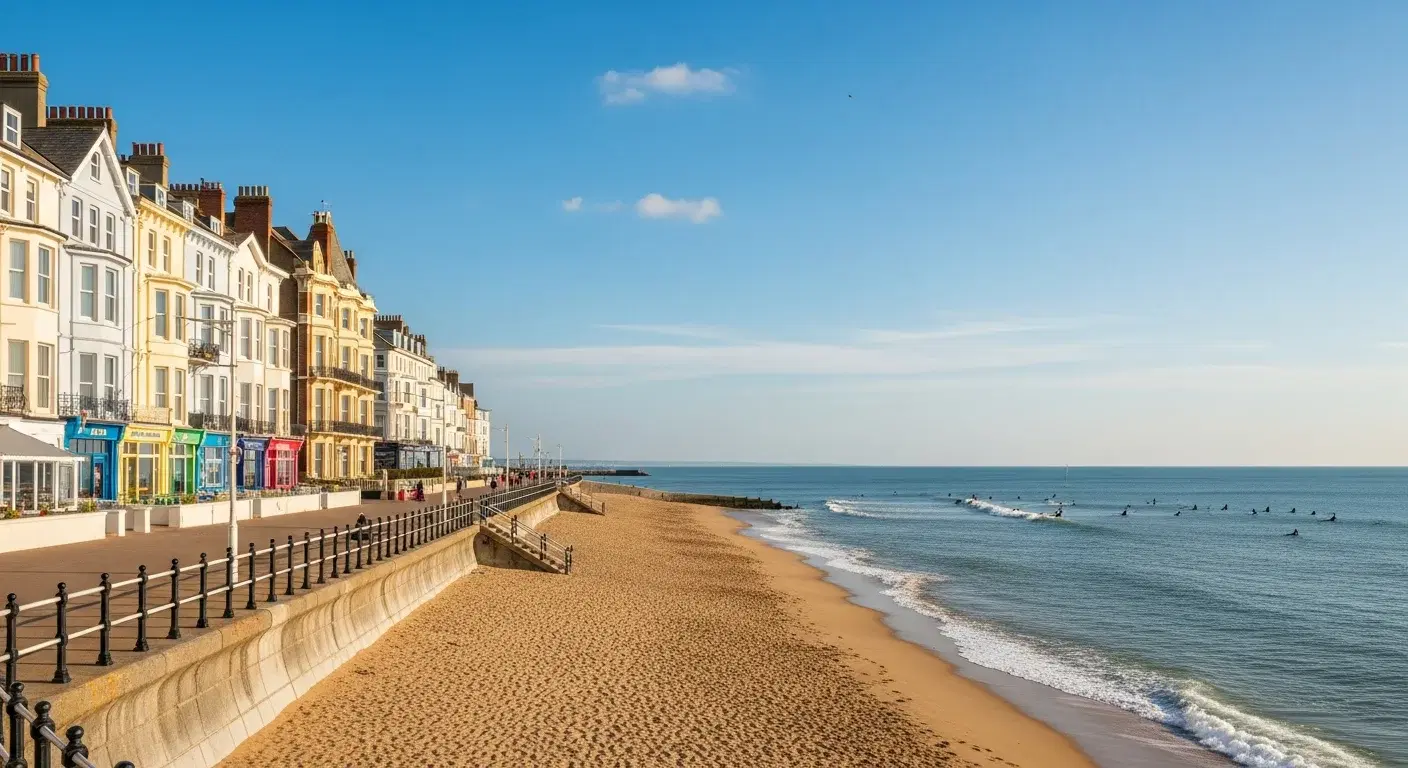
Tynemouth Longsands is one of the finest urban beaches in England. A wide, gently curving stretch of golden sand backed by the Victorian architecture of Grand Parade, it has held the prestigious Blue Flag award for over thirty consecutive years, a remarkable achievement that reflects the consistently high water quality and beach management.
Whether you are planning a family day out, learning to surf, or simply want to know where to park, here is everything you need to know about Longsands.
The Beach
Longsands stretches for approximately half a mile between Cullercoats to the north and the Priory headland to the south. The sand is fine and golden, the beach is wide at low tide, and the gentle gradient makes it safe for paddling and swimming.
The beach faces east, catching the morning sun and offering spectacular sunrises. In summer, it can get busy, particularly the southern end near the access ramps, but the length of the beach means you can almost always find space.
Best for: Longsands has held the Blue Flag award for over 30 consecutive years, confirming excellent water quality and facilities.
Lifeguards
RNLI lifeguards patrol Longsands daily from late May to early September, typically from 10am to 6pm. The patrolled area is marked with red and yellow flags, always swim between these flags when lifeguards are present.
The beach is split into zones: swimmers and bodyboarders are directed between the flags, while surfers use designated areas away from the swimming zone. Outside lifeguard hours and season, swimming is at your own risk.
The Tynemouth Volunteer Life Brigade also operates from the headland and responds to cliff and coastal emergencies year-round.
Surfing
Longsands is one of the most popular surf beaches in England, with consistent waves that work on north-east, east, and south-east swells. The beach break produces waves suitable for all abilities, with the southern end generally offering slightly larger, more powerful waves.
Several surf schools operate from the beach and promenade, offering lessons for beginners and equipment hire. The water temperature ranges from around 6 degrees in winter to 15 degrees in late summer. A wetsuit is essential year-round.
Tide Times
Longsands is a tidal beach. At high tide, the sand narrows significantly, particularly at the southern end. For the best beach experience, aim to arrive on a falling tide or at low tide when the full width of sand is exposed.
Tide times change daily. Check the RNLI or Magic Seaweed websites before visiting. As a general rule, the beach is at its best from mid-tide downwards.
Parking
Grand Parade: Pay-and-display parking runs the length of the seafront above the beach. This fills quickly on summer weekends and bank holidays, arriving before 10am is advisable.
Percy Gardens: Additional roadside parking is available on the streets behind Grand Parade, though some areas have resident permit restrictions.
Disabled spaces: Designated accessible parking bays are available on Grand Parade close to the ramped beach access points.
Overflow: On busy days, the car park at Tynemouth Pool (a short walk south) offers additional spaces.
Best for: The Grand Parade pay-and-display fills fast in summer. Arrive early or consider the Metro, Tynemouth station is a 10-minute walk.
Facilities
Toilets: Public toilets are available at the southern end of Grand Parade and at the northern end near Cullercoats.
Cafes: Several cafes line Grand Parade directly above the beach, including Crusoe's, Tynemouth Surf Co, and others. You are never far from a coffee.
Showers: Outdoor showers are available at beach access points for rinsing off sand and salt.
Accessibility: Ramped access to the beach is available at multiple points along Grand Parade. The promenade above is flat and suitable for wheelchairs and pushchairs.
Dog Rules
A seasonal dog exclusion order applies to the southern section of Longsands from 1 May to 30 September. During this period, dogs are not permitted on the beach south of the midpoint marker.
The northern end of Longsands (toward Cullercoats) remains open to dogs year-round. From October to April, dogs are welcome on the full beach without restriction.
Nearby
Longsands is just a short walk from Tynemouth village centre, where Front Street offers independent shops, restaurants, and cafes. The Priory and Castle sit on the headland at the southern end, and Tynemouth Park, with a boating lake, crazy golf, and play areas, is directly across Grand Parade from the beach.
The Tynemouth Aquarium is also nearby, making it a useful rainy-day backup if the weather turns.
Have a question about visiting Longsands? Get in touch.
Never miss what’s on
Join the weekly Tynemouth.live digest — the best events, news and local tips, straight to your inbox. Free, one email a week.